— THE STUDIO
seams
seams is a studio founded by sound of fractures, working through music, memory, space and participation.
it develops projects that explore what music can make possible between people. a song can become a prompt, an archive, a film, a room, a publication or a gathering. the form changes with the question.
people are not added at the end as an audience. their memories, voices and contributions can become part of how the work develops. the studio does not try to manufacture connection. it creates reasons and invitations to reflect, contribute and feel part of something shared.
research is not separate from the work. it happens through making, listening and gathering. each project is shaped by its audience and context, and leaves behind work, documentation, relationships and new questions that inform what comes next.
music is often the starting point without defining the boundary. the tools and forms can change; the concern remains: how creative work can help people recognise something of themselves and one another.
THE STUDIO AS A CONTAINER
every output is different — an album, an exhibition, a piece of research, an event. what stays the same is the ethos at the heart of them: human connection, participation, process shared in the open. the studio gives these different forms somewhere to belong.
THE WHY
"being easy to understand gets good clicks. pick a lane, follow its rules. i didn't want to choose one. so the studio builds the alternative in public: the use case, so people can see it, hear it, take part, and want it to exist."
— jamie reddington
THE METHOD
question → project → participation → reflection → next question.
each project becomes part of the continuing practice rather than an isolated output.
PROOF OF WORK
scenesan album co-created through 351 public memories, photographs and stories. songs became prompts; the responses became artworks, an exhibition, a book and a published research chapter.
alone togethera modular live work between performance, exhibition and social space. music, memory and designed participation give people reasons to reflect, contribute and feel part of something shared.
network archivesa publication documenting how artists build worlds around their work, released on metalabel. it turns the studio's research outward by tracing the projects, relationships and systems behind creative practice.
DOORS
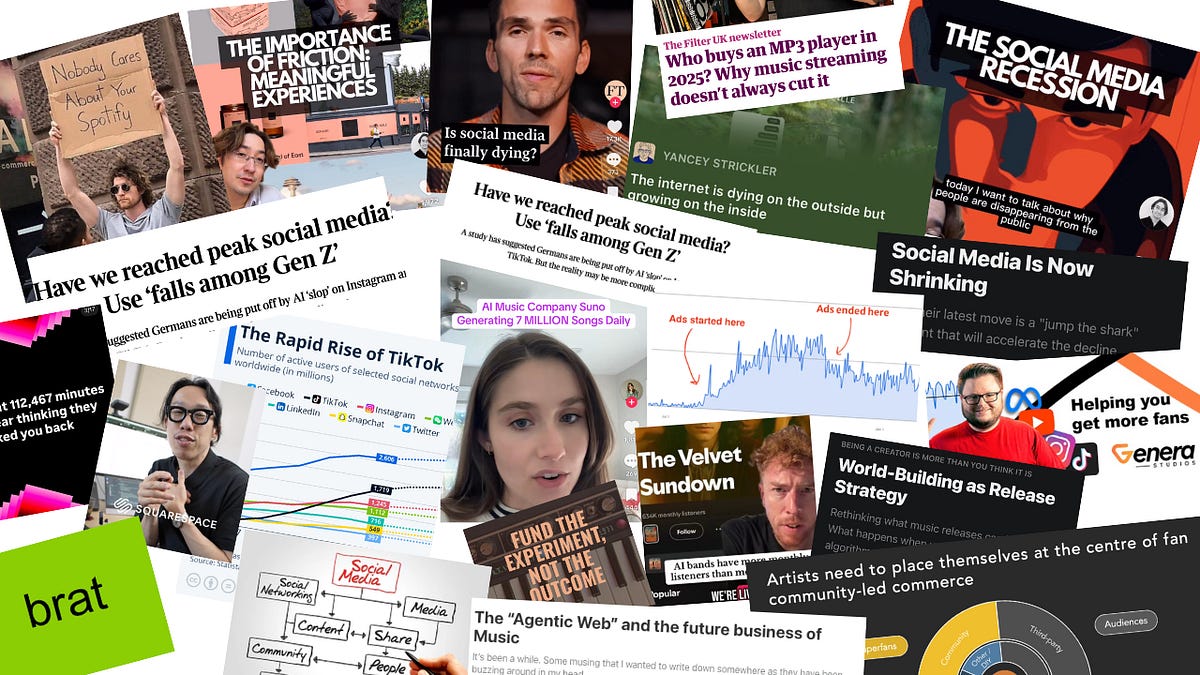 scaling intent — what patronage actually means
the essay ↗
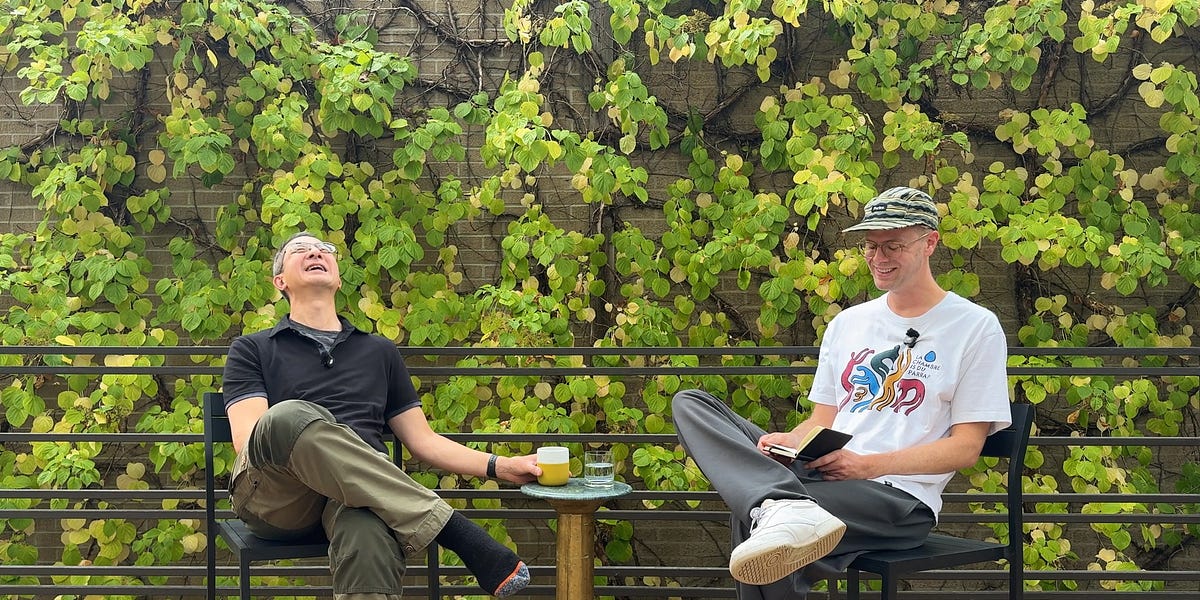 new forms 001 — an interview with patron c.y. lee
the interview ↗